A water heater usually needs attention when it runs out of hot water faster than usual, produces lukewarm or fluctuating water, makes rumbling or popping noises, delivers rusty water or leaks around the base. Many of these problems, such as a failed heating element, thermostat or valve, can be repaired. Replacement is usually the better choice when the tank itself is leaking or corroded, or when the unit is near the end of its expected life.
Knowing the difference helps you avoid two costly mistakes: replacing a unit that only needed a simple repair, or repeatedly repairing one that is about to fail.
8 Signs Your Water Heater Needs Attention
- You run out of hot water faster than before. This can point to a failing heating element, a thermostat problem or sediment taking up space inside the tank.
- The water is lukewarm or the temperature changes. Inconsistent temperatures often come from a faulty thermostat or heating element in electric units, or burner and gas control issues in gas units.
- You hear rumbling, popping or knocking. These sounds usually mean sediment has built up at the bottom of the tank. Water trapped under the sediment boils and pops as the burner or element heats it.
- Your hot water looks rusty or discolored. If only the hot water is discolored, the source is likely the water heater. It can mean the anode rod is worn out or that the inside of the tank is corroding.
- There is water around the base. A leak can come from a loose connection, the drain valve or the relief valve, all of which can be repaired. Water coming from the tank itself usually means the tank has failed.
- The relief valve is dripping or discharging. The temperature and pressure relief valve protects the tank from excess pressure. If it releases water often, the valve may be faulty or the system may have a pressure or temperature problem that needs a professional check.
- It takes longer to heat water. Slow recovery can indicate sediment buildup, a failing element or burner problems.
- The unit is getting old. According to the U.S. Department of Energy, conventional storage water heaters typically last 10 to 15 years, while tankless units last about 20 years. An older unit showing several of these signs is a strong candidate for replacement.
Repair or Replace: How to Decide
The right choice depends on the specific problem, the age of the unit and how often it has needed service. A professional inspection is the best way to confirm the cause, but these general guidelines can help.
Problems that can often be repaired:
- A failed heating element or thermostat in an electric water heater.
- A faulty pilot, thermocouple or gas control in a gas water heater.
- A leaking drain valve or a faulty temperature and pressure relief valve.
- A worn anode rod, when the tank itself is still in good condition.
- Sediment buildup that can be flushed out.
Situations where replacement usually makes more sense:
- The tank itself is leaking. A corroded tank can’t be repaired.
- The hot water is rusty because the inside of the tank is corroding.
- The unit is near or past its expected lifespan and needs repairs more often.
- The water heater no longer meets your household’s hot water needs.
If you’re replacing a unit, it’s also a good time to consider whether the same type still fits your home, or whether a different size or style would serve you better.
How to Find Your Water Heater’s Age
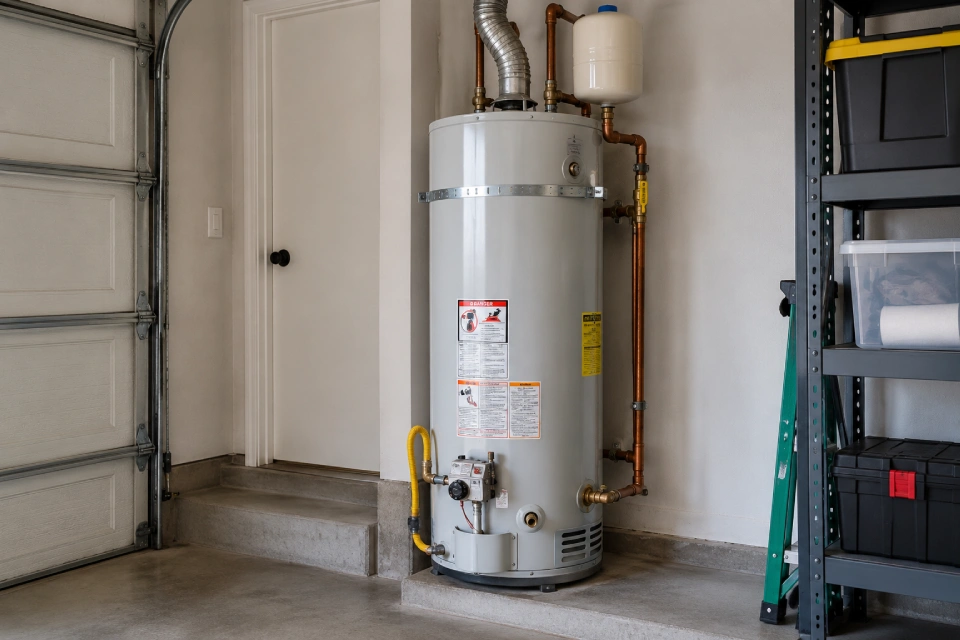
Most water heaters have a label on the side of the tank with the model and serial number. Manufacturers often encode the manufacture date in the serial number, but the format varies by brand. If you can’t find the date, a plumber can usually identify it during an inspection.
Basic Maintenance That Helps Your Water Heater Last
Regular maintenance won’t prevent every problem, but it can help a water heater reach its expected lifespan:
- Flush the tank to remove sediment, following the manufacturer’s recommendations.
- Have the anode rod inspected and replaced when it’s worn.
- Test the relief valve as described in the owner’s manual.
- Keep the area around the unit clear so leaks are easy to spot.
Water with a high mineral content can speed up sediment buildup, so homes with hard water may benefit from more frequent flushing.
Safety First
- If you smell gas near a gas water heater, leave the home right away. Don’t turn switches on or off. From a safe distance, call your gas utility or 911.
- If the tank is leaking, turn off the cold water supply valve to the unit and shut off its power at the breaker (electric) or set the gas control to off (gas). Then call a plumber.
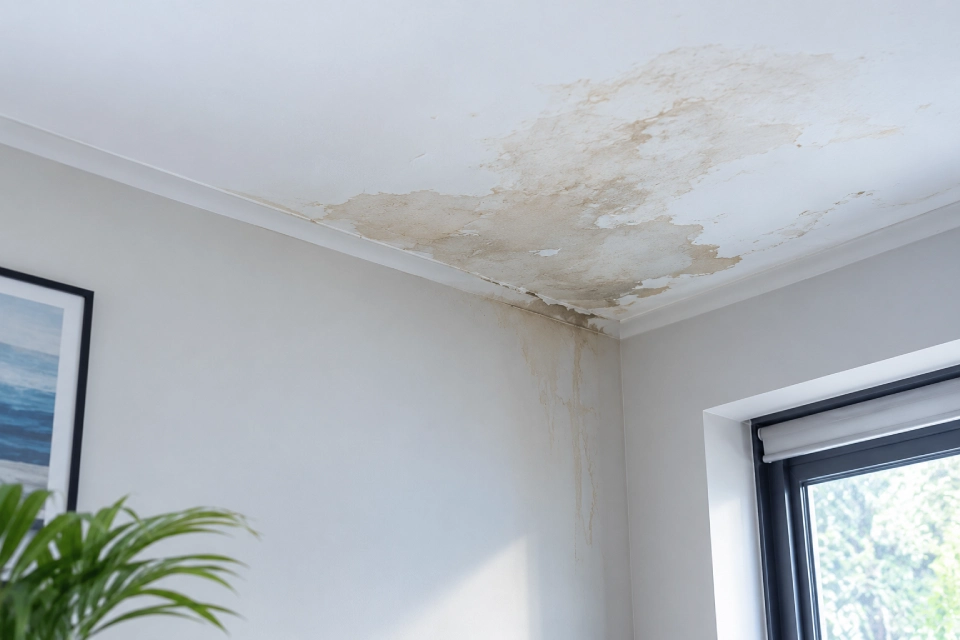
- If water is appearing somewhere other than the water heater, the source may be elsewhere in your plumbing. Learn how to tell if you have a hidden water leak.
When to Call a Professional
Call a licensed plumber if:
- You see water around the base of the tank.
- Your hot water is rusty, lukewarm or runs out quickly.
- The relief valve drips or releases water.
- You hear persistent rumbling or popping.
- Your water heater is 10 years old or more and starting to show problems.
A plumber can confirm whether the problem is a repairable part or a sign that the tank is failing, and explain your options before any work begins.
Get Help With Your Water Heater
Performance PCL provides water heater repair and replacement for residential and commercial properties in Tampa and throughout Hillsborough, Pinellas and Pasco counties. We are licensed and insured. If your water heater is showing any of these signs, we can inspect it and recommend the right solution.
Request an estimate or call (727) 275-2624.
FAQ
How long does a water heater last?
According to the U.S. Department of Energy, conventional storage water heaters typically last 10 to 15 years, and tankless water heaters about 20 years. Water quality, usage and maintenance all affect how long a specific unit lasts.
Is it worth repairing an old water heater?
It depends on the problem. Replacing a thermostat, element or valve can make sense on a unit in good condition. If the unit is near the end of its lifespan and needs frequent repairs, or if the tank is leaking, replacement is usually the better investment.
Why is my water heater making popping noises?
Popping or rumbling usually comes from sediment at the bottom of the tank. Water trapped under the sediment heats up and bubbles through it. Flushing the tank can help, but persistent noise in an older unit may signal wear.
Can a leaking water heater be repaired?
It depends on where the water is coming from. Leaks from connections, the drain valve or the relief valve can often be repaired. A leak from the tank itself usually means the unit needs to be replaced.