The most reliable way to tell if you have a hidden water leak is to check your water meter while no water is being used. If the meter moves, water is escaping somewhere. Other common signs include an unexplained jump in your water bill, the sound of running water when every fixture is off, musty odors, stains on walls or ceilings, and warm or damp spots on the floor.
Hidden leaks matter because they rarely stay small. Water that escapes inside walls, under floors or below a slab can damage building materials and encourage mold long before it becomes visible. According to the EPA’s WaterSense program, leaks in the average home can waste nearly 10,000 gallons of water a year.
10 Signs You May Have a Hidden Water Leak
- Your water bill goes up without a clear reason. If your household habits haven’t changed but your usage keeps climbing, a leak is one of the first things to rule out.
- Your water meter moves when no water is running. This is the clearest sign that water is leaving the system.
- You hear running or dripping water when everything is off. Listen near walls, floors and cabinets, especially at night when the house is quiet.
- You notice a musty smell. Persistent dampness inside walls or under cabinets often produces an odor before any water shows.
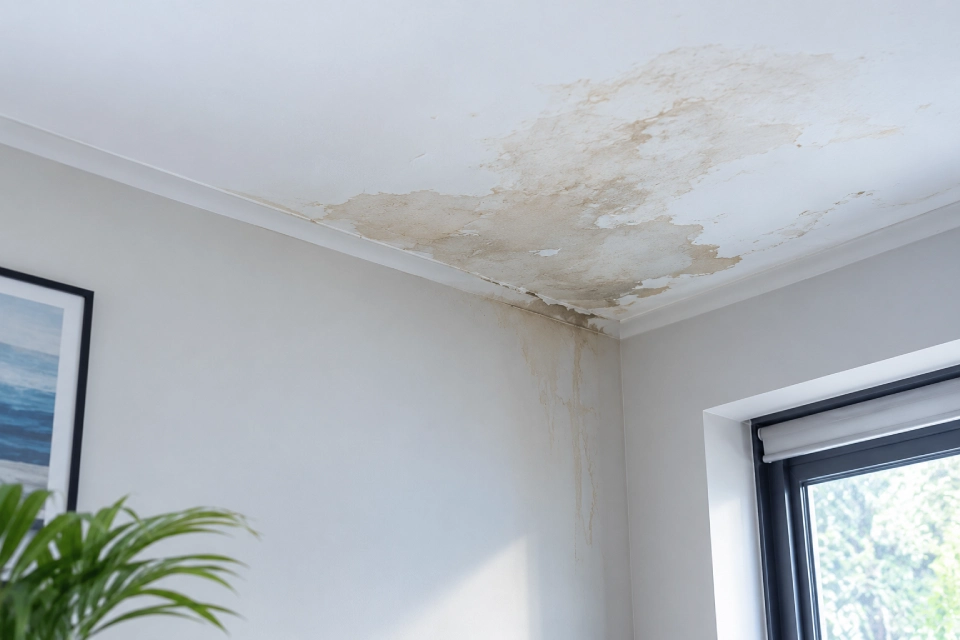
- Walls or ceilings show stains, bubbling or peeling paint. Discoloration and soft drywall usually mean moisture is coming from behind the surface.
- Floors feel warm, damp or uneven. A warm spot on a tile or concrete floor can point to a leak in a hot water line under the slab. Warped wood or lifting tiles can also signal moisture below.
- Mold or mildew keeps coming back. Recurring mold in the same spot usually means there is an ongoing moisture source.
- Water pressure drops. A noticeable loss of pressure at several fixtures can indicate water escaping before it reaches them.
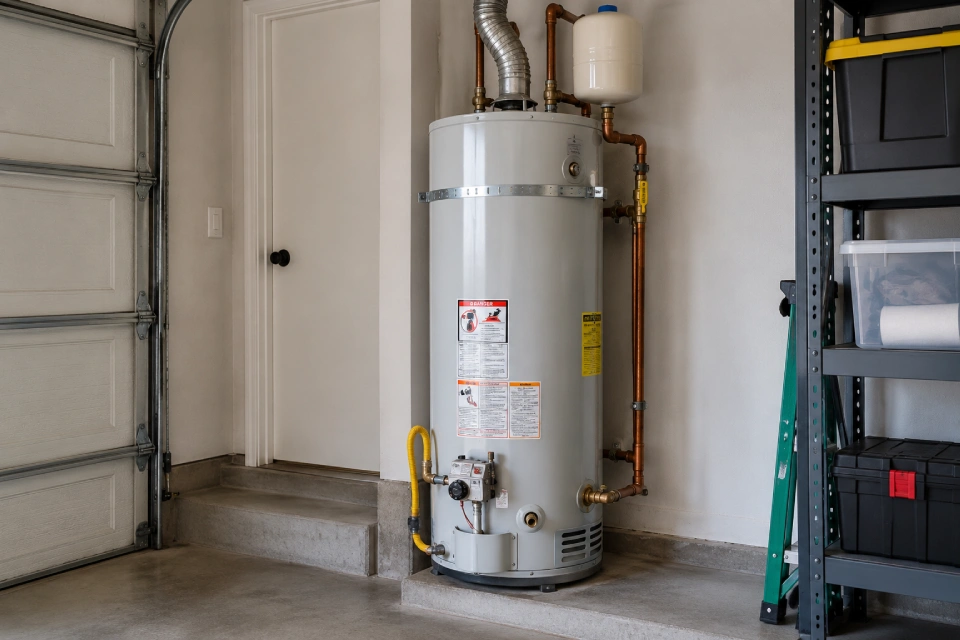
- Your water heater runs more than usual. If it seems to be heating constantly, hot water may be leaking somewhere in the system.
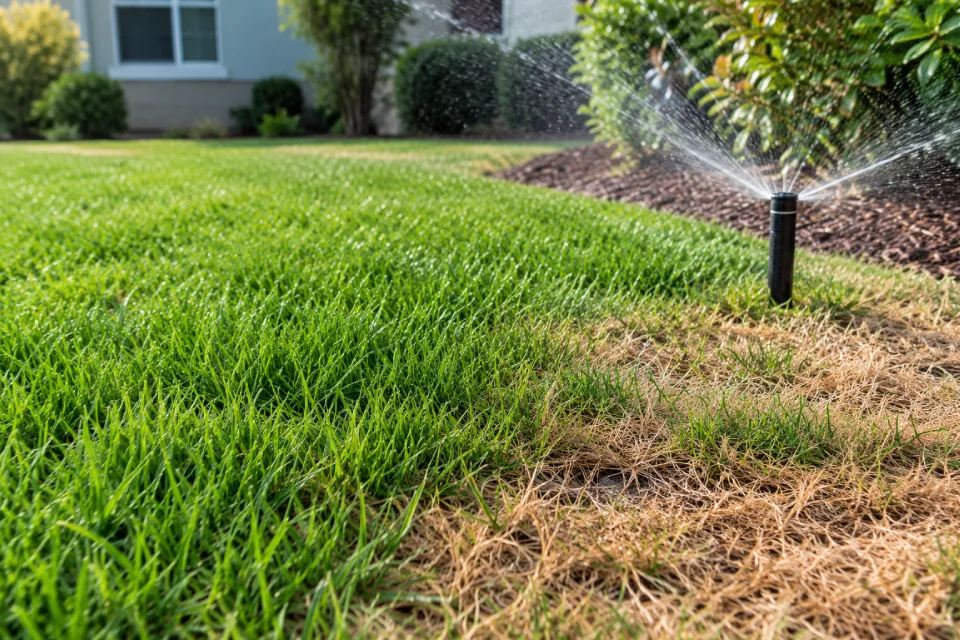
- Your yard has soggy patches or unusually green areas. Wet spots between the house and the street can indicate a leak in the main water line. If the wet areas are near sprinkler heads or valves, the source may be the irrigation system instead.
How to Check for a Hidden Leak Yourself
These two simple tests are recommended by the EPA and can help confirm whether a leak exists before you call a plumber.
The water meter test
- Turn off every faucet, appliance and irrigation zone. Make sure no one uses water during the test.
- Find your water meter and write down the reading, or take a photo of it.
- Wait about two hours without using any water.
- Check the meter again. If the reading has changed, you likely have a leak.
Many meters also have a small leak indicator, often a triangle or dial, that spins when even a small amount of water is flowing.
The toilet dye test
Toilets are one of the most common sources of silent leaks. Add a few drops of food coloring to the toilet tank and wait about 10 minutes without flushing. If color appears in the bowl, water is leaking from the tank. Flush afterward so the dye doesn’t stain the tank.
These tests tell you whether water is escaping, not exactly where. Locating a leak behind a wall or under a slab usually requires professional leak detection.
Hidden Leaks in Tampa-Area Homes
Many homes in the Tampa Bay area are built on concrete slab foundations, with water lines running beneath or within the slab. When one of these lines leaks, the water can stay hidden for a long time. It may only show up as a higher bill, a warm spot on the floor or cracks in flooring.
Florida’s humidity adds another layer. Moisture trapped inside walls dries slowly, which gives mold more time to develop. That is why it pays to act on early warning signs instead of waiting for visible water.
When to Call a Professional
Call a licensed plumber if:
- Your meter test shows water moving and you can’t find a visible source.
- You see stains, soft drywall, warped flooring or recurring mold.
- You notice a warm spot on the floor or cracks that appeared recently.
- Your yard has soggy areas with no clear cause.
- Your water bill keeps rising after you’ve fixed obvious drips.
A professional can locate the leak with minimal disruption, explain what caused it and recommend the right repair, whether that means fixing a section of pipe or replacing a failing line.
If water is actively spreading, shut off the main water valve to limit damage while you arrange service. It’s also a good idea to photograph any visible damage for your records.
Get Help With a Suspected Leak
Performance PCL provides leak detection and repair for residential and commercial properties in Tampa and throughout Hillsborough, Pinellas and Pasco counties. We are licensed and insured. If a meter test or any of the signs above has you concerned, we can help you find the source and fix it.
Request an estimate or call (727) 275-2624.
FAQ
How do I know if a leak is inside my house or in the yard?
Turn off the shutoff valve where the water line enters the house and run the meter test again. If the meter stops moving, the leak is likely inside. If it keeps moving, the leak is likely in the line between the meter and the house, or in an irrigation line connected before the shutoff.
Can a hidden leak raise my water bill even if I don’t see any water?
Yes. Leaks inside walls, under floors or underground can run continuously without showing on the surface, and the only early sign may be higher usage on your bill.
What is a slab leak?
A slab leak is a leak in a water line that runs beneath or through a home’s concrete foundation. Common signs include warm spots on the floor, cracks in flooring, the sound of running water and an unexplained increase in the water bill.
Is a small leak worth fixing right away?
Yes. Small leaks waste water continuously and can damage drywall, flooring and framing over time. Fixing them early is usually simpler and less disruptive than repairing the damage they cause later.